Why Should Hospitals in India Work with BiztechCS for Odoo-Based Clinic Management
5 min read
5 min read
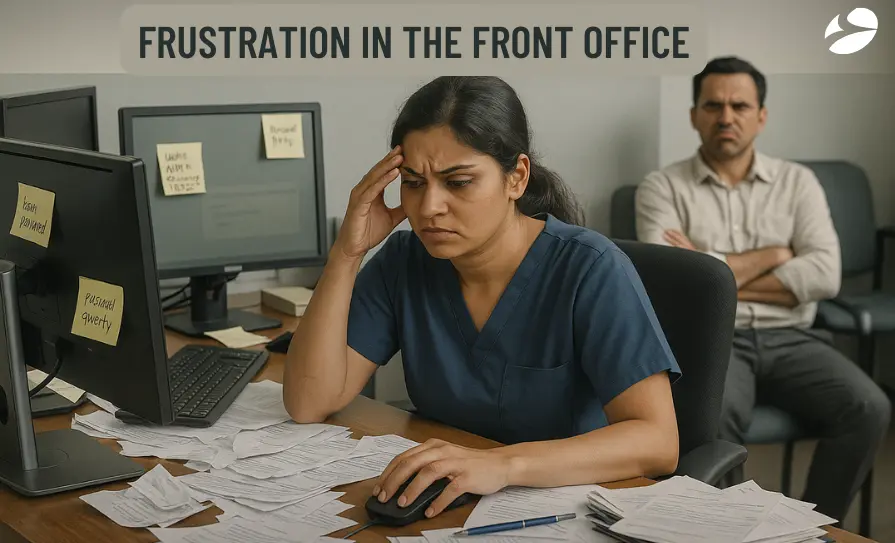
Dr. Sharma sighed. For the third time that morning, she was logging into yet another system just to piece together Mrs. Kumar’s medical history. Three logins. Five databases. Endless forms. Meanwhile, her patient sat waiting, wondering if she had chosen the right clinic.
This isn’t just Dr. Sharma’s struggle—it’s the daily reality across many Indian hospitals. Multi-specialty clinics built to deliver efficiency are often hindered by disconnected technology. Doctors spend more time navigating screens than connecting with patients, while patients lose confidence in the care they receive.
The problem is bigger than an inconvenience. Fragmented systems erode patient trust and leave clinicians feeling drained. Instead of focusing on medical judgment, highly trained professionals are often left to chase scattered information.
Patients notice this gap. They come seeking coordinated care but often feel like every visit resets their history. The frustration is real, and it’s shaping how people judge the quality of healthcare in India.
Research confirms what front-line doctors already know: integration works. When clinics adopt unified systems, such as electronic medical records (EMRs), patient satisfaction tends to improve. One study found that the number of patients who felt they had enough time to discuss concerns with their doctor rose from 79.4% to 84% after EMR adoption (Wali et al., PMC).
Better integration doesn’t just save time—it restores confidence. It shows patients that their providers are aligned, informed, and focused on them, not the systems that stand in the way.
Think of it as providing every patient with a single, comprehensive identity that follows them throughout your organization. When ortho updates medications, dermatology sees it instantly. When dental schedules are followed up on, the receptionist is immediately notified. When cardiology notes a drug interaction, everyone who needs to know gets the information.
During this phase, we typically implement these Odoo modules:
We often ask clinical teams during this phase: “How many phone calls do your providers make each day just to get basic patient information from other departments?” The answers usually reveal efficiency opportunities that were previously invisible.
Starting with patient information unification creates immediate wins for clinical teams while building the foundation for more sophisticated integration later. It’s about proving the concept works before asking people to change more complex processes.
If your staff is still making endless phone calls just to get basic patient data, imagine the difference one unified patient record could make. This first step alone can transform daily operations. Curious to know how it will pan out for your clinic(s)?
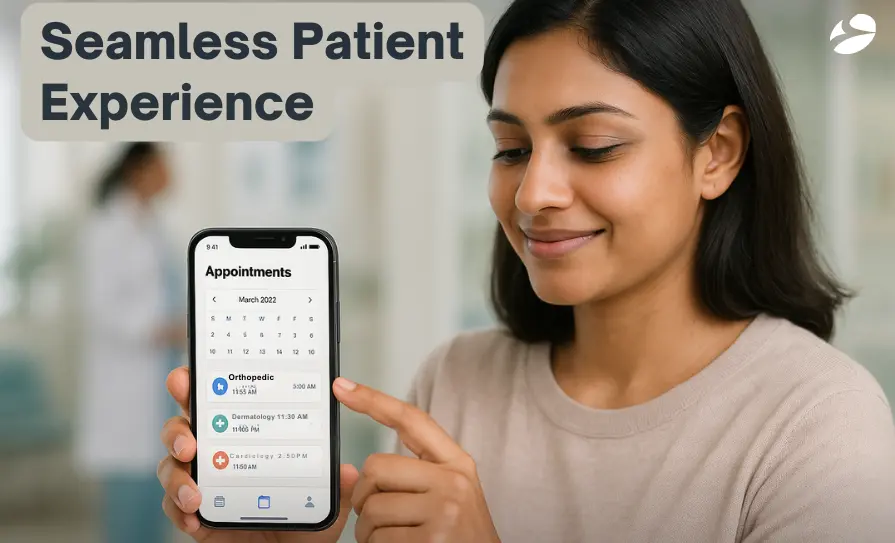
We build patient self-service that actually serves patients. Through an integrated portal, they can book appointments across specialties, update information once (not repeatedly), and access their complete medical history. This isn’t about fancy technology—it’s about reducing administrative burden so your staff can focus on patient care.
Multi-specialty integration really shines when patients need complex, coordinated care. When someone requires orthopedic treatment following an accident, as well as dermatological care for medication reactions, the system ensures that all providers have complete and current information. No more departmental phone tag. No more incomplete histories. No more patients having to repeat their story to every provider.
For this enhanced patient experience, we configure these Odoo modules:
When working with healthcare leaders, we explore: “How do you currently make sure all providers have complete patient information when coordinating care across specialties?” This usually reveals coordination gaps, causing clinical inefficiencies and patient frustration.
The communication transformation is particularly striking. A randomized controlled trial published in Acta Orthopaedica found that using a team-based digital communication tool reduced the mean number of patient-initiated phone calls to the hospital from 2.3 to 0.5 per week over an 8-week period following orthopedic surgery. The study also showed improved patient satisfaction (PubMed).
Communication That Keeps Everyone in the Loop Without Extra Work
Integrated systems enable communication that keeps patients informed and engaged without creating additional tasks for staff. Appointment reminders, follow-up instructions, and preventive care notifications become automatic parts of the clinical workflow.
This proves especially valuable for multi-specialty clinics, where patients have appointments with different providers or complex treatment plans that require coordination. The system ensures consistent messaging and prevents communication gaps that affect treatment adherence and satisfaction.
Odoo Consultant Tip: Always customize Odoo portals to mirror your clinic’s patient journey. For example, dermatology patients may need to upload images for follow-ups, while cardiology patients may need to download test results. Tailoring portals to each specialty ensures adoption and boosts patient satisfaction—something made possible through Odoo ERP software development, which enables personalized, efficient, and secure patient experiences.
The transformation occurs when we integrate patient management directly with financial systems. When providers document services in the patient system, charges generate automatically according to fee schedules and insurance requirements. No manual data entry. No billing errors from typos. No staff overtime reconciling discrepancies.
Insurance Processing That Doesn’t Require a Law Degree
Multi-specialty clinics face insurance complexity that would challenge even the most experienced tax attorney. Different specialties often have entirely different insurance requirements, pre-authorization processes, and claims procedures. We implement systems that automatically generate claims tailored to specialty requirements, patient insurance information, and treatment documentation.
For financial management, we integrate these Odoo modules:
When working with financial teams, we explore: “What percentage of billing errors come from manual data entry, and how much time does your team spend fixing discrepancies between clinical notes and billing records?” The answers consistently reveal massive improvement opportunities.
Successful healthcare financial integration means billing processes support clinical workflows instead of fighting them. When providers can document care and generate accurate charges in one smooth process, both patient care and financial performance improve dramatically.
Financial Visibility That Helps You Make Real Decisions
Integrated financial systems provide real-time visibility into practice performance across all specialties. You can identify trends, monitor cash flow, and make informed decisions about resource allocation and growth opportunities. This visibility becomes crucial for multi-specialty operations where different departments might have vastly different profitability and growth patterns.
Integration also enables reporting that identifies operational improvement opportunities. You can analyze appointment-to-payment cycles, identify claims processing bottlenecks, and optimize scheduling to maximize revenue while maintaining quality patient care.
Integrated systems enable sophisticated analysis of clinical operations across all specialties. You can identify patterns in patient flow, treatment outcomes, and provider efficiency, supporting evidence-based decisions about staffing, scheduling, and resource allocation.
Analytics capabilities extend to patient care coordination, enabling the identification of opportunities to enhance both care quality and efficiency. For example, our system might reveal that patients receiving coordinated care across multiple specialties have better outcomes and higher satisfaction scores, supporting investment in care coordination programs.
For advanced analytics, we implement these Odoo modules:
Another frequent question at this stage is: “Do we need a dedicated data science team to make use of these analytics?” Not at all. Our integrated dashboards and reports are designed for healthcare leaders, not statisticians. You get visual, actionable insights that highlight trends, bottlenecks, and opportunities without requiring advanced analytics expertise. This ensures that decision-makers can act on data immediately, rather than waiting for complex analyses.
At BiztechCS, we focus on healthcare analytic, emphasizing metrics directly impacting patient care and operational efficiency. Rather than generating reports for the sake of generating reports, our implementations focus on insights that drive specific improvements in clinical and operational performance.
Odoo Consultant Tip: Always design role-based dashboards in Odoo—finance heads, clinicians, and operations managers should see different KPIs tailored to their decisions. This not only speeds up adoption but also prevents information overload by keeping the focus on what truly matters to each role. With the right Odoo partnership, organizations can ensure these dashboards are strategically aligned, scalable, and optimized for smarter decision-making.
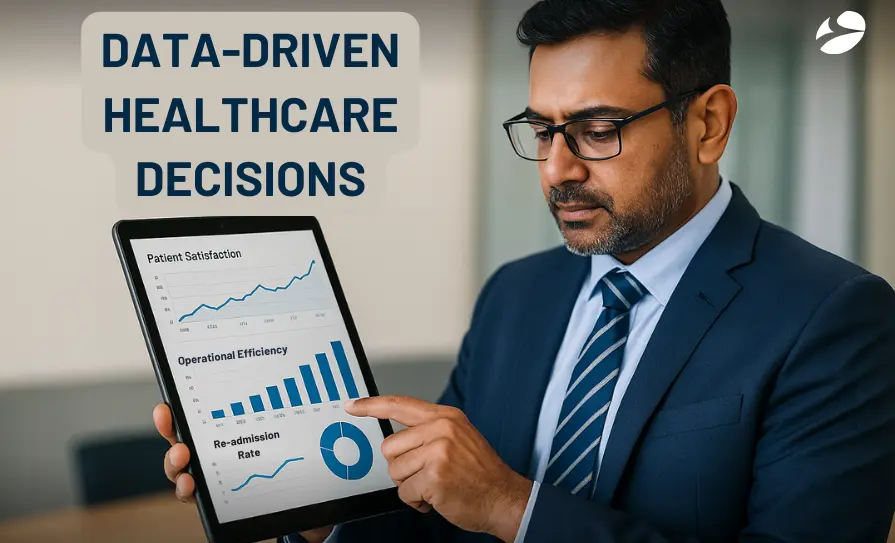
Every day you delay integration, you lose money and frustrate patients. Your staff burns out managing multiple systems. Your growth plans stay on hold because operations can’t scale.
The solution exists. Other healthcare providers are already benefiting. Dr. Sharma opened three new clinics because his system could handle growth. His staff focuses on patient care instead of paperwork.
Your patients deserve better than scattered records and billing errors. Your staff deserves systems that support, rather than hinder, their work. Your practice deserves to grow without operational chaos.
Odoo healthcare clinic management through BiztechCS transforms how you deliver care. Appointment scheduling that works. Patient records follow patients everywhere. Billing that makes sense.
The question isn’t whether to integrate your systems; the question is how to do it effectively. The question is how much longer you’ll wait.
Contact BiztechCS today. Let's map your transformation from fragmented operations to integrated excellence. Your patients, staff, and business success depend on taking this step.
You are at the right place.
Projects Completed
Technical Experts
Happy Clients
Years of Experience
Book a free consultation call with us





By submitting this form, you agree to our Terms of Use and Privacy Policy. All information provided will be kept strictly confidential.