277
The Complete Guide to Healthcare Digital Transformation
5 min read
Updating outdated technology systems in an age when everything moves at high speed is like using a lawnmower to compete in drag races. The process of healthcare digital transformation requires more than replacing an old filing cabinet with a tablet that users cannot operate. It is the fundamental rewiring of how a medical facility breathes and operates.
This evolution moves the entire organization away from manual data entry marathons that leave staff feeling like zombies. Shifting toward healthcare ERP systems allows for a unified brain that manages everything from the supply chain to the patient’s bedside. Relying on paper trails and broken communication channels is no longer just an inconvenience. It is a financial suicide mission in a market that demands instant results and absolute precision.
Regulatory pressures are tightening their grip while patient expectations have shifted toward a “delivery app” level of convenience. People now expect their medical history to be as accessible as their social media feed. Patients will choose to visit another clinic across the street if a clinic fails to deliver an effective digital experience.
The UAE market demonstrates strong competitive activity because its advanced technology requirements function as basic entry standards for companies. Incorporating AI in healthcare helps stay ahead of this curve by predicting needs before they become expensive crises. It turns a reactive, exhausted business model into a proactive, profitable powerhouse.
The stakes are far too high to keep playing the “we will update it next year” game with aging infrastructure. Research shows that about 70% of healthcare leaders say investing in digital technology platforms is critical for their organizations’ future, reinforcing how essential digital transformation has become for improving patient outcomes and operational efficiency (Source: Deloitte 2025 Global Health Care Outlook).
Ignoring this shift is essentially inviting obsolescence to dinner. True integration ensures that the clinical side and the back office are finally reading from the same script. It is about creating a resilient foundation that handles the chaos of modern medicine without breaking a sweat.
The only way to escape the administrative chaos we face today is through digital transformation as the path to future technological success.
Operational bottlenecks create conditions in which basic work activities take multiple hours to complete rather than just a few minutes. Modern clinics should eliminate the practice of waiting for files to be moved between desks, as it is an outdated process. System performance issues cause all operational processes to stop functioning completely.
The system requires medical experts to perform duties that exceed their actual job requirements. The transition to digital pathways removes obstacles between medical procedures and patient treatment, thereby maintaining process efficiency.
Modern healthcare ERP systems serve as a single source of truth, tying every department into a cohesive unit. It stops the guessing games and ensures that the right hand actually knows what the left hand is doing. Centralized data is the backbone of a sane medical environment. It prevents the frustration of searching for lab results hidden in another database.

Digital transformation aims to remove the “soul-crushing” repetitive tasks that make the workday feel like a marathon in lead boots. Automation handles the boring bits so the staff can actually use their brains for what they were trained to do.
A happy team is an efficient team. Reducing the friction in their daily tasks is the kindest thing a provider can do for their workforce.
Is your medical staff spending more time fighting with software than treating patients? Reclaiming their time starts with a system that actually works.
Manual systems create multiple opportunities for human error, resulting in frequent claim denials and chronic payment delays. AI technology enables healthcare organizations to detect these discrepancies before they become permanent financial losses, ensuring every service provided is accurately reflected on the balance sheet.
According to a 2025 report by Grand View Research, organizations implementing AI see a rapid return on investment, generating $3.20 in value for every $1.00 spent within 14 months. Ultimately, digital accuracy has proven to be an exceptionally profitable habit for the modern healthcare enterprise.
Higher data accuracy removes the “oops” factor from prescriptions and treatment plans, which is generally preferred by people who enjoy being alive. Patients show better engagement when they can view their results and schedule appointments without needing to make a twenty-minute phone call.
The clinical operation depends on these supporting points, which function as essential components that maintain its efficiency. Trust between parties creates a virtuous circle that results in operational efficiency gains for all stakeholders.
Modern platforms allow providers to add modules and capacity as needed without reinventing the wheel every six months. It provides the flexibility to pivot and expand into new markets or specialties with total confidence.
A scalable tech stack is the ultimate insurance policy for an increasingly unpredictable future. It turns growth from a terrifying challenge into a natural progression of a healthy business.
When these modules for financials, human resources, and procurement are all speaking the same language, the magic finally starts to happen.
| Many healthcare clinics in the UAE are already making this shift. Instead of relying on traditional patient management systems, they are adopting Odoo to unify operations, improve efficiency, and gain better control over their processes. |
The entire team uses a single central database, which serves as the sole reference point for their work. The system transforms disorganized spreadsheet data into an organized process that monitors every financial transaction and inventory item.
The business outcomes of getting this right are enough to make any finance lead weep with joy. Reduced administrative overhead means the staff can actually do their jobs instead of wrestling with broken data entries.
Better financial transparency ensures that the budget is not just a collection of wild guesses and optimistic prayers. Faster reporting allows for real-time adjustments rather than waiting three months to realize the pharmacy is hemorrhaging cash. It is about moving away from the “hope for the best” model and toward a structure built on cold and hard data. When the operations are this clean, the clinical side can finally breathe easy.
Without this digital handshake, the data just sits in silos, getting dusty and useless. Seamless data flow ensures that when a patient finishes a video call, their billing record updates automatically, and the pharmacy receives a notification.
| Healthcare providers are already seeing the impact of integrated systems in action. By connecting workflows across billing, patient records, and communication tools, clinics are improving revenue capture while significantly boosting staff productivity. |
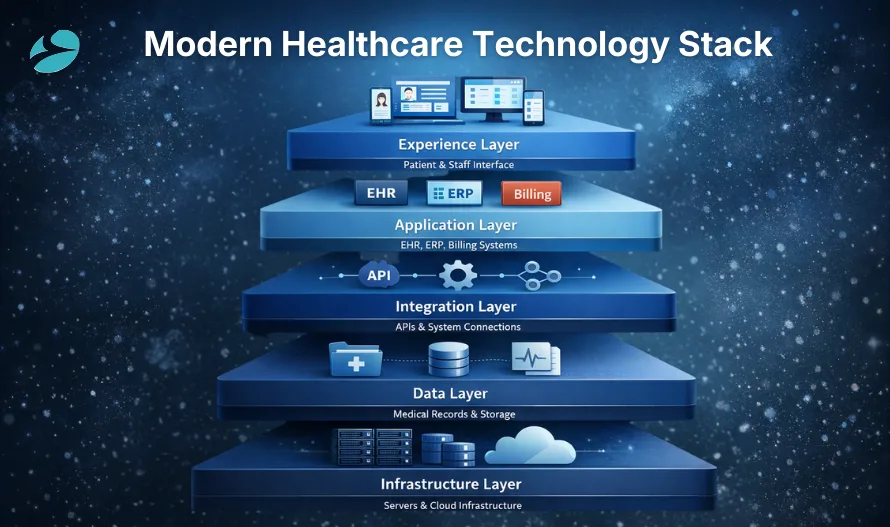
The key business wins here are not just marginal improvements; they are total game changers for the bottom line. Higher clinic revenue becomes a reality when no consultation goes unbilled, and no follow-up is forgotten. Increased staff productivity results from the team not wasting 40% of their day on digital detective work. Fewer operational errors mean fewer lawsuits and a much higher level of patient safety, which is generally a good goal.
According to a 2026 report by Grand View Research, the global healthcare IT market is expected to grow at a 16.2% compound annual growth rate through 2033, as providers rush to address disconnected systems and adopt advanced revenue cycle solutions.
Smart scheduling can predict exactly when a patient is likely to flake on an appointment, so the slot can be filled before it becomes a scheduling hole. Predictive analytics can analyze historical data and tell the facility exactly how many staff are needed on a Tuesday morning in November. It is about having a crystal ball that actually works and helps keep the lights on without the usual guesswork.
| AI-driven personalization is already transforming how users engage with digital health platforms. From intelligent recommendations to behavior-based insights, AI-powered systems are proving far more effective than traditional methods in driving consistent engagement and better outcomes. |
These are not generic spam messages that get deleted instantly; they are tailored suggestions based on actual health data. Retention-focused features ensure that the patient feels like a person rather than a number on a chart. This level of care creates a bond that keeps people coming back because the system actually seems to know them.
Retention is where the actual profit lies because a patient who returns trusts the clinical outcome. Most facilities treat patient departure like a mysterious act of God rather than a fixable technical failure. This is where behavioral analytics come into play, identifying exactly when a person begins to disengage from their treatment plan.
If the system knows that a patient hasn’t opened their health app in three weeks, it can fire off specific retention triggers to bring them back into the fold. These are not annoying spam messages but timely interventions that show the facility actually gives a hoot about their recovery. Recommendation engines then suggest the next logical step in their care journey, helping them avoid wandering off to a competitor.
Failing to keep a patient is essentially throwing away all the hard work and money spent to get them through the door in the first place. High churn rates are a symptom of a broken process that no amount of fancy marketing can fix. It is much cheaper to keep a seat warm than to find a new person to sit in it.
The architecture relies on sophisticated feedback loops that learn from every single interaction a patient has with the platform.
| This kind of engagement doesn’t happen randomly. It is built on a structured retention architecture that uses feedback loops, behavioral tracking, and smart triggers to keep patients consistently engaged over time. |
Behavioral analytics monitors for signs of frustration or confusion so the staff can intervene before a patient gives up entirely. These systems also sync seamlessly with healthcare ERP systems to ensure that clinical data and engagement efforts are always fully aligned. Retention triggers are set up to go off at the exact moment a patient reaches a milestone or misses a crucial check-in.
It creates a supportive environment where the patient feels seen and understood rather than just being another number on a spreadsheet. This digital hand-holding ensures that people stay on track with their chronic disease management or post-op recovery. Engagement is not a one-time event but a continuous conversation powered by smart algorithms.
Wondering if your patient engagement strategy is reactive rather than proactive? Modernize your retention architecture to keep your patients within your care network.
By implementing healthcare ERP systems, providers can track the entire patient journey without losing data in a digital abyss. The system successfully performs its function by alerting doctors to patients’ follow-up appointments and screening requirements.
The system guarantees that patients obtain all necessary medical services through its active management process. It turns a fragmented series of chaotic encounters into a streamlined clinical pathway.
This approach keeps the schedule full and the billing consistent. It also beats the old method of hoping a patient remembers their own appointment while staring at a post-it note on their fridge.
Using AI in healthcare allows for a preemptive strike against these rejections. These systems can sniff out errors and missing codes before the claim ever hits the payer’s desk. It stops the endless back-and-forth “paperwork dance” that costs more in administrative labor than the claim is actually worth.
Reducing leakage means keeping patients within the network instead of letting them wander off to a competitor because a referral was lost in a broken fax machine. It is high time to stop treating revenue like a suggestion and start treating it like a priority.
Direct communication between systems enables staff members to dedicate their work hours to patient care rather than searching for lost documents. Organizations achieve cost reductions through higher operational efficiency, which eliminates obstacles that cause work processes to halt.
The result reduces expenses for correcting preventable errors, enabling more funds to remain in financial reserves. If the goal is to stop burning cash to maintain outdated silos, then merging data into a unified platform is the only logical exit strategy.
Accurate forecasting means knowing exactly when the money will land, rather than crossing fingers and wishing upon a star. This level of visibility allows for smarter investments and better resource allocation. It moves the organization away from “crisis mode” budgeting and into a state of actual financial stability.
When the data is real-time, the strategy can be proactive rather than a desperate reaction to a shrinking margin.
The waiting room remains occupied because automated reminders, combined with simple rescheduling options, serve as digital nudges. These systems do the heavy lifting of confirming slots so the front desk staff can stop playing phone tag all day.
The system becomes more effective at preventing appointment-related forgetfulness by interacting with users in their current environment. The process of filling these gaps ensures that clinical staff members remain occupied during periods when operational costs continue to accumulate.
Automating the reconciliation process means the system does the math and matches payments to accounts without a human having to squint at a spreadsheet. This speed kills the “lag time” that usually haunts the accounts receivable department.
Faster processing puts money in the pocket sooner and keeps the lights on without the stress of a pending collections list. It turns a clunky, bureaucratic nightmare into a well-oiled machine that actually respects the bottom line.
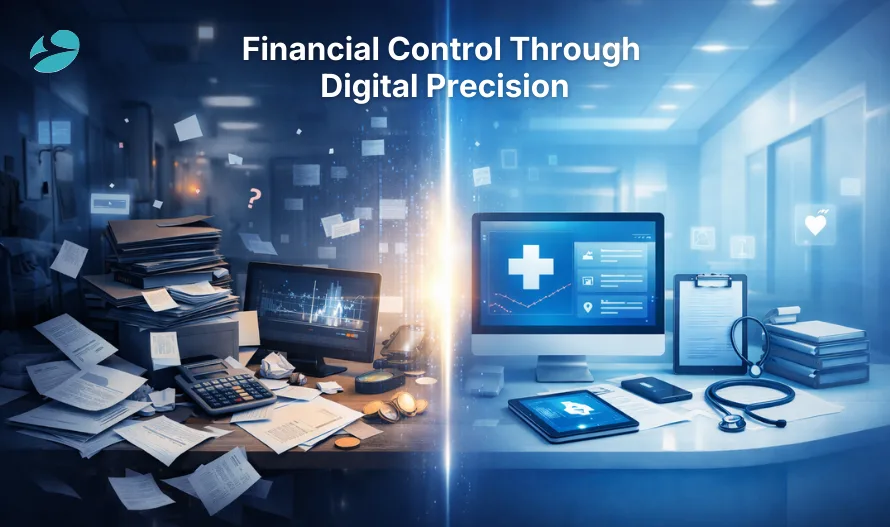
When patients feel like the facility actually values their time, satisfaction scores skyrocket. Real-world data shows that digital engagement tools can lead to a 20% increase in patient retention. Keeping people happy is significantly cheaper than constantly hunting for new ones to replace the ones who walked out in frustration. It turns out that not treating humans like cattle in a holding pen is actually quite good for the bottom line.
Implementing healthcare ERP systems removes the friction from daily workflows by automating the soul-crushing repetitive tasks. Facilities often see a 30% reduction in administrative time once they finally ditch the manual-entry marathons. This shift lets the staff actually focus on the patients instead of fighting with a database that hates them. Efficiency is the difference between a smooth operation and a chaotic circus where everyone is juggling fire while trying to find a misplaced patient file.
It stops the “charity by accident” model that many under-equipped clinics accidentally run. Revenue growth comes from accuracy rather than just hiking prices on an unsuspecting public. According to Deloitte’s 2026 US Health Care Outlook, hospitals implementing AI-driven documentation and revenue cycle upgrades have already reported tangible gains.
These include a $13,000 increase in reimbursement per clinician, driven by improved coding accuracy and reduced documentation gaps (source).
This predictive power allows for a level of precision that a human brain simply cannot manage while also dealing with a ringing phone. The impact is felt in the reduced stress of the accounting department and the healthier state of the bank account. It is about working smarter because working harder has already failed everyone in the industry.
It is about breaking down those stubborn walls that keep data trapped in 1995. This unified strategy ensures that any new software actually solves a problem instead of just adding another expensive icon to a desktop. A cohesive plan prevents the “Frankenstein” effect, where different departments buy conflicting tech that refuses to play nice together. It is much easier to steer a ship when everyone is actually looking at the same map.
Whether it is cutting the time for patient intake or slashing the claims error rate, the numbers must be front and center. Project costs become unnecessary expenses when they lack a definite financial advantage demonstrated through accounting records.
The team maintains focus on their work because they have established benchmarks that confirm whether the technology functions as intended. Data does not have an ego, and it does not lie about whether a system is actually working.
It involves more than just a boring three-hour webinar that everyone ignores while checking their email. Empathy is key here because people need to feel confident that the tech is a tool and not a replacement. Change management is about winning hearts and minds, so the software does not end up as an expensive paperweight. When the staff understands the “why” behind the click, the transition actually sticks.
AI in healthcare can actually assist here by flagging unusual access patterns before a disaster occurs. Guarding patient privacy is a moral obligation and a legal minefield that nobody wants to walk through. The security system implements robust measures to keep the digital vault protected from unauthorized access. Trust is the most valuable currency in this industry, and it takes years to build but only seconds to destroy.
Choosing a platform that cannot scale is a guaranteed way to ensure another massive bill in three years. It is about choosing a foundation that supports future modules and higher data volumes without breaking a sweat. A scalable choice is an insurance policy against obsolescence and technical debt. Investing in a system that grows with the organization is simply common sense for anyone who wants to keep their job.
These policies are designed to consolidate fragmented records into a single national medical ID. It makes the old days of carrying a physical folder of X-rays look like using a stone tablet to send a text message. This top-down pressure means that facilities either get on board with healthcare ERP systems or prepare to be left in the dust of the desert.
The goal is a seamless, paperless ecosystem where data flows faster than a supercar on the Sheikh Zayed Road.
Global patients traveling for complex surgeries expect more than just a nice hotel room. They want a digital-first experience that allows them to book consultations from their home country, seamlessly share medical records, and access post-operative plans through an app. If a clinic is still relying on manual intake forms, it can kiss that international revenue goodbye.
High-tech facilities are increasingly using AI in healthcare to coordinate these cross-border journeys with surgical precision from pre-arrival diagnostics to post-op monitoring. It turns a medical procedure into a high-end service experience, blending clinical excellence with concierge-level convenience and that’s exactly what keeps global patients coming back.
Clinics are adopting advanced tech to slash wait times and improve diagnostic accuracy because a single bad review can tank a reputation. This cutthroat environment forces a level of efficiency that would make a Swiss watch look sloppy.
They are integrating billing, scheduling, and clinical data to ensure the operation runs like a well-oiled machine. In this market, if the tech is not cutting-edge, the clinic is basically invisible.
This shift isn’t just behavioral—it’s systemic. Governments in the region are actively redesigning care delivery around digital-first models. For example, Saudi Arabia is targeting the digitalization of 70% of patient activities by 2030, specifically to reduce dependence on hospital-based care (source). The direction is clear: fewer unnecessary visits, more continuous, connected care.
If a provider cannot offer a sleek, integrated digital interface, the patient will simply swipe left and find someone who can. Meeting these expectations isn’t optional—it’s the minimum requirement to survive in a region that eats old-fashioned business models for breakfast.
An ROI-focused digital roadmap ensures the budget goes toward tangible results rather than expensive digital ornaments. Waiting for a miracle is not a business plan. It is time to get the house in order and let technology do the heavy lifting for once.
Ready to bridge the gap between your current administrative hurdles and a high-performance, tech-driven future? Let’s build your transformation roadmap together.
You are at the right place.
Projects Completed
Technical Experts
Happy Clients
Years of Experience
Book a free consultation call with us





By submitting this form, you agree to our Terms of Use and Privacy Policy. All information provided will be kept strictly confidential.